
Dry Mouth and Dental Prosthetics: Why Xerostomia Deserves Your Attention
Most of us only notice saliva when it is missing. A dry, sticky feeling in the mouth, a tongue that seems to catch on your teeth, or waking up through the night reaching for a glass of water. For many people these moments are easy to dismiss as a minor annoyance. But if you wear dentures or have dental implants, crowns or bridges, a persistently dry mouth is worth taking seriously. Saliva does far more work than most people realise, and when there is not enough of it, your dental prosthetics and the natural teeth supporting them can be placed under real strain.
What Is Xerostomia?
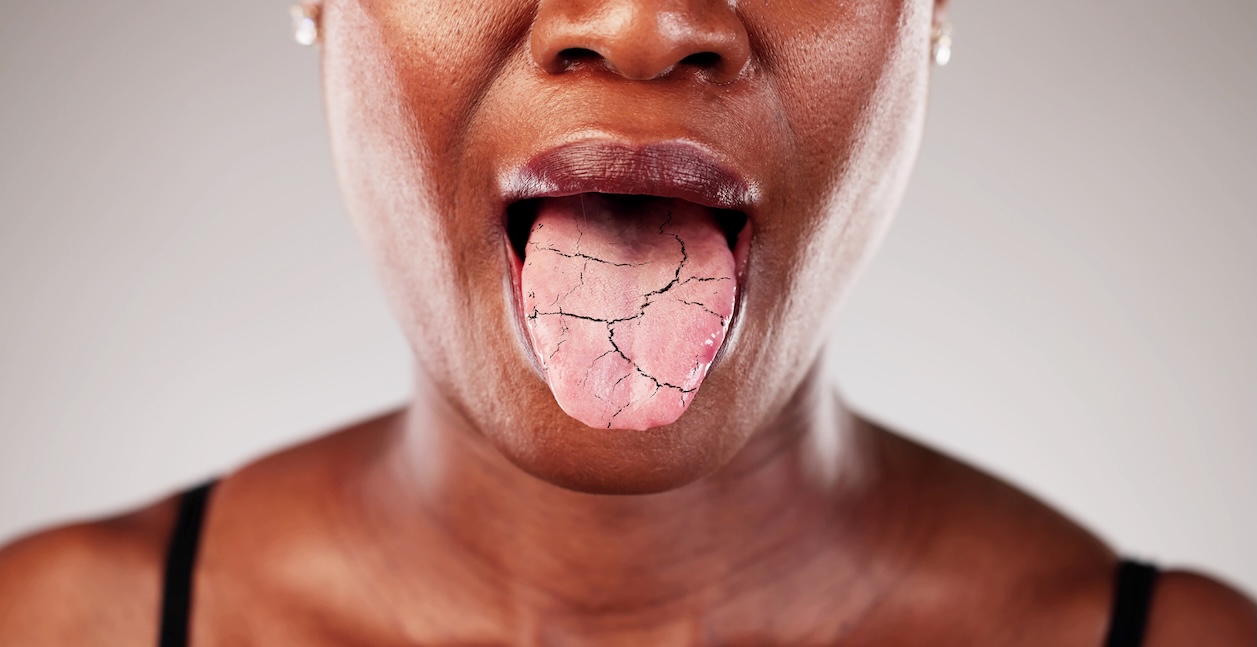
Xerostomia is the medical term for the sensation of a dry mouth, usually caused by reduced saliva flow. It is not a disease in itself but a symptom, and it is remarkably common, particularly among adults over 50. While many people assume dry mouth is simply part of getting older, ageing on its own is rarely the cause. In most cases there is an identifiable reason behind it, and once that reason is understood, there is usually plenty that can be done to manage it.
What Causes Dry Mouth?
The most common cause by far is medication. Hundreds of commonly prescribed medicines list dry mouth as a side effect, including many blood pressure medications, antidepressants, antihistamines, diuretics, pain relief and medications for anxiety and sleep. The effect tends to compound when several medications are taken together, which is why it is so common among older patients. If you have read our earlier article, Do My Medications Affect My Teeth?, you will know this is one of the most overlooked links in dental care.
Other causes include:
- Diabetes, particularly when blood sugar levels are not well controlled
- Radiotherapy to the head and neck area
- Autoimmune conditions such as Sjögren’s syndrome
- Mouth breathing, especially at night or in people who snore
- Dehydration, caffeine and alcohol
- Smoking and vaping
Living in Perth can add to the problem. Our long, dry summers and the hours many of us spend in air-conditioned homes, offices and cars can all leave the mouth feeling drier than usual, particularly for anyone already prone to it.
Why Saliva Matters So Much
Saliva is one of the mouth’s most important natural defences. It rinses away food particles, neutralises the acids produced by bacteria, helps rebuild weakened enamel with minerals such as calcium and phosphate, and contains antibacterial and antifungal properties that keep harmful organisms in check. It also makes chewing, swallowing and speaking comfortable.
When saliva flow drops, all of these protective functions are weakened at once. The result is a mouth that is more vulnerable to decay, gum disease and infection, and that is exactly the environment dental prosthetics struggle in.
How Dry Mouth Affects Dentures
For denture wearers, saliva plays a surprisingly practical role. A thin film of saliva between the denture and the gums creates a natural seal that helps hold an upper denture in place. Without it, dentures can feel loose, move while eating or talking, and rub against the gums. That rubbing often leads to sore spots and ulcers that are slow to heal.
A dry mouth also raises the risk of oral thrush, a fungal infection that tends to develop underneath dentures. Denture stomatitis, where the tissue beneath the denture becomes red and inflamed, is particularly common in people with low saliva flow who also wear their dentures overnight. If your dentures have started to feel less secure or less comfortable and nothing about them has changed, dry mouth may well be the reason.
How Dry Mouth Affects Implants, Crowns and Bridges
Dental implants cannot decay, but the gum and bone around them can still become infected. With less saliva to keep bacteria under control, plaque builds up more quickly around the implant, increasing the risk of peri-implant inflammation and, if left untreated, peri-implantitis, a condition that can eventually threaten the implant itself.
Crowns and bridges face a slightly different risk. While the porcelain or ceramic itself will not decay, the natural tooth underneath still can, particularly along the edge where the crown meets the tooth near the gumline. Dry mouth is one of the leading causes of decay in this area, and because it often develops out of sight, it can progress quite a way before it is noticed.
Managing Dry Mouth Day to Day
The encouraging news is that there are many simple, effective ways to manage a dry mouth and protect your prosthetics at the same time:
- Sip water regularly throughout the day rather than drinking large amounts at once, and keep a glass beside your bed
- Chew sugar free gum or suck sugar free lozenges, ideally containing xylitol, to stimulate natural saliva flow
- Try saliva substitutes or moisturising gels, which are available from most Perth pharmacies
- Choose an alcohol free mouthwash, as alcohol based rinses can dry the mouth further
- Limit caffeine, alcohol and sugary or acidic drinks
- Use a humidifier in the bedroom, particularly during summer or when the air conditioning is running overnight
- Remove dentures at night and clean them thoroughly to reduce the risk of thrush
- Ask about a high fluoride toothpaste if you still have natural teeth or teeth supporting crowns and bridges
If you suspect a medication is behind your dry mouth, please do not stop taking it on your own. Speak with your GP, who may be able to adjust the dose, change the timing or suggest an alternative that is kinder to your mouth.
When to See a Prosthodontist
Occasional dryness is normal, but it is worth booking an appointment if your mouth feels dry most of the time, if your dentures have become loose or uncomfortable, if you notice sore spots, white patches or redness under your denture, or if you have new sensitivity or tenderness around a crown or implant.
A prosthodontist can assess how dry mouth is affecting your prosthetics specifically, adjust or reline dentures to improve their fit, check for early signs of decay or inflammation around crowns and implants, and work alongside your GP to make sure your dental care is planned around your overall health. Catching these issues early almost always means a simpler and less costly fix.
Protecting Your Smile for the Long Term
Dry mouth is common, but it is not something you simply have to put up with. With a few changes to your routine and the right professional support, you can keep your mouth comfortable and help your dentures, implants, crowns and bridges last as long as they should.